AART: From industrial harbour to wooden waterfront homes
In Stavanger, AART has transformed a former industrial harbour into one of Europe’s largest timber residential developments. The Waterfront (Vannkanten) reconnects the city with the shoreline through public plazas, passageways, and a continuous promenade. The project demonstrates how architecture can create social, environmental, and urban value while redefining contemporary waterfront living.
From industrial harbour to award-winning timber neighbourhood
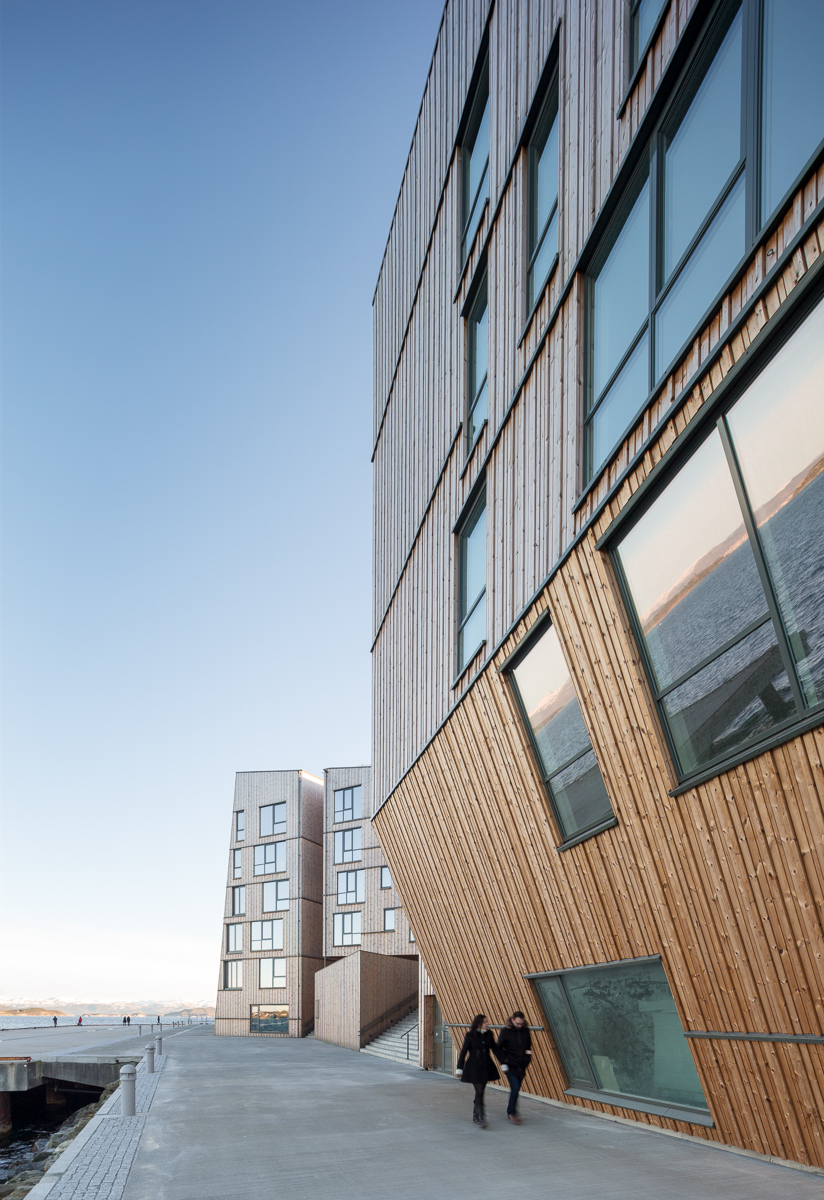
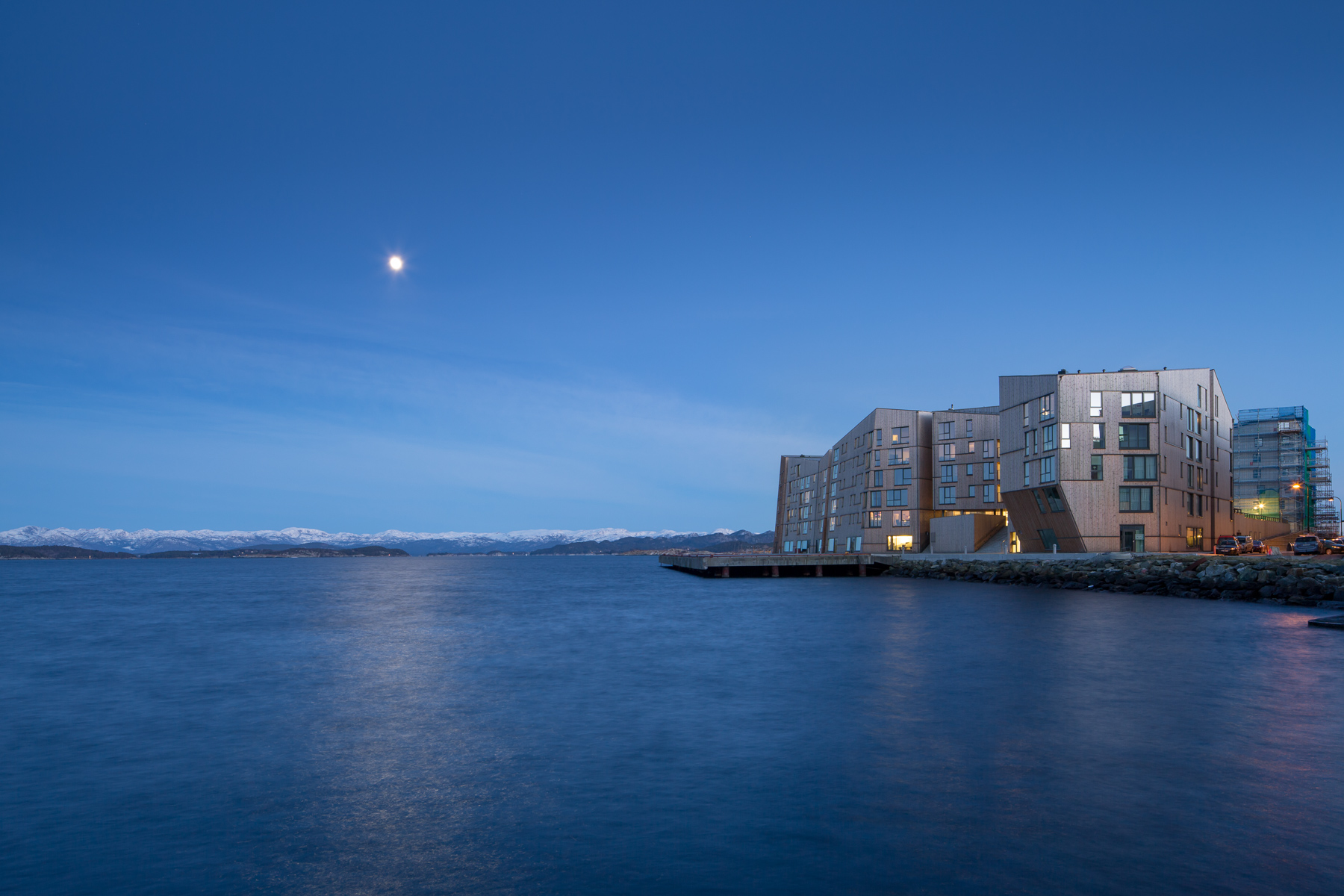
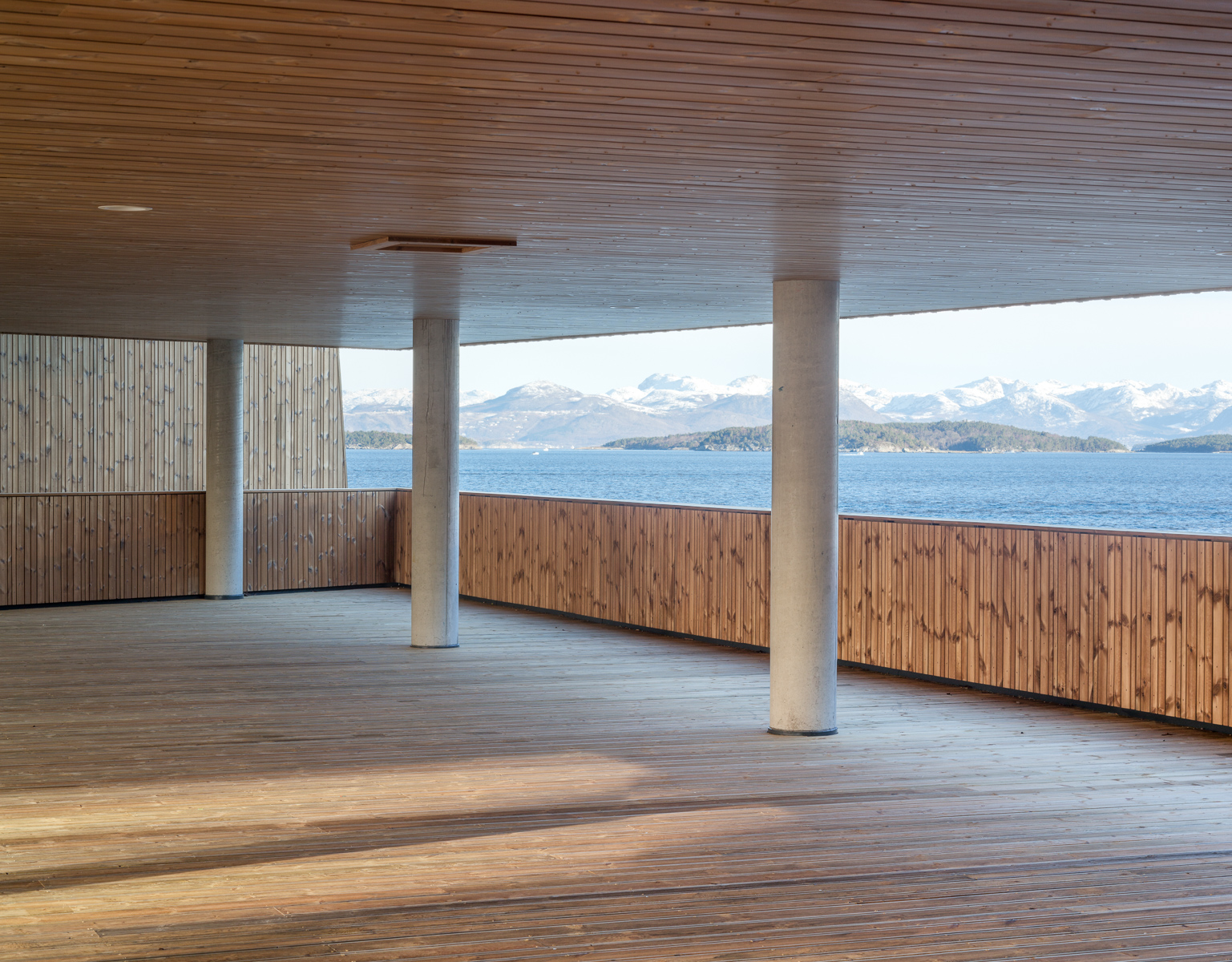
The Waterfront (Vannkanten) in Stavanger, Norway, is a transformative residential development that reconnects the city with its harbour while setting new standards for timber architecture and urban living. Developed on a former industrial and inaccessible harbour, the project converts the waterfront into an open and vibrant neighbourhood with public plazas, passageways, and a promenade extending into Stavanger’s historic city centre.
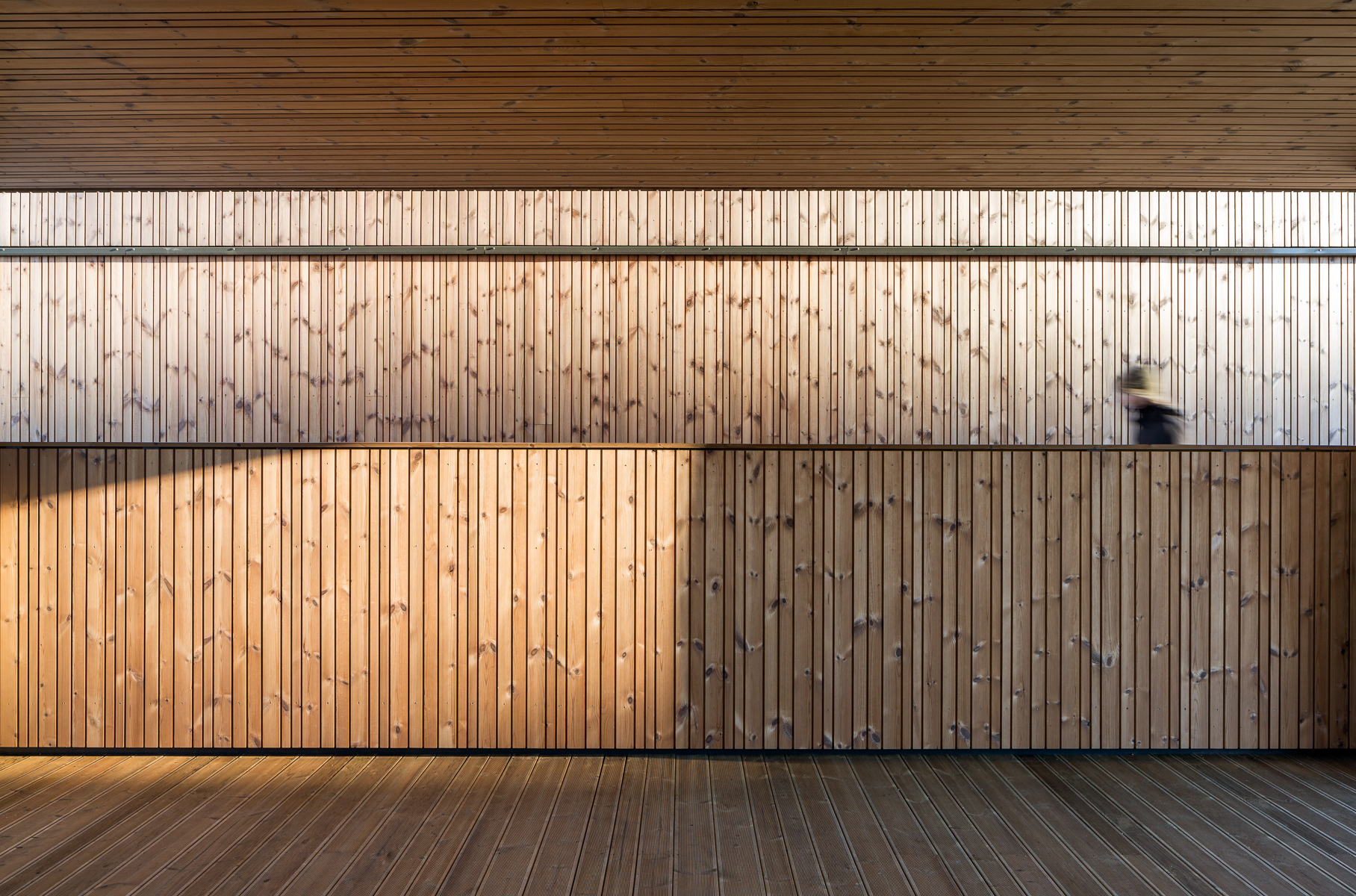
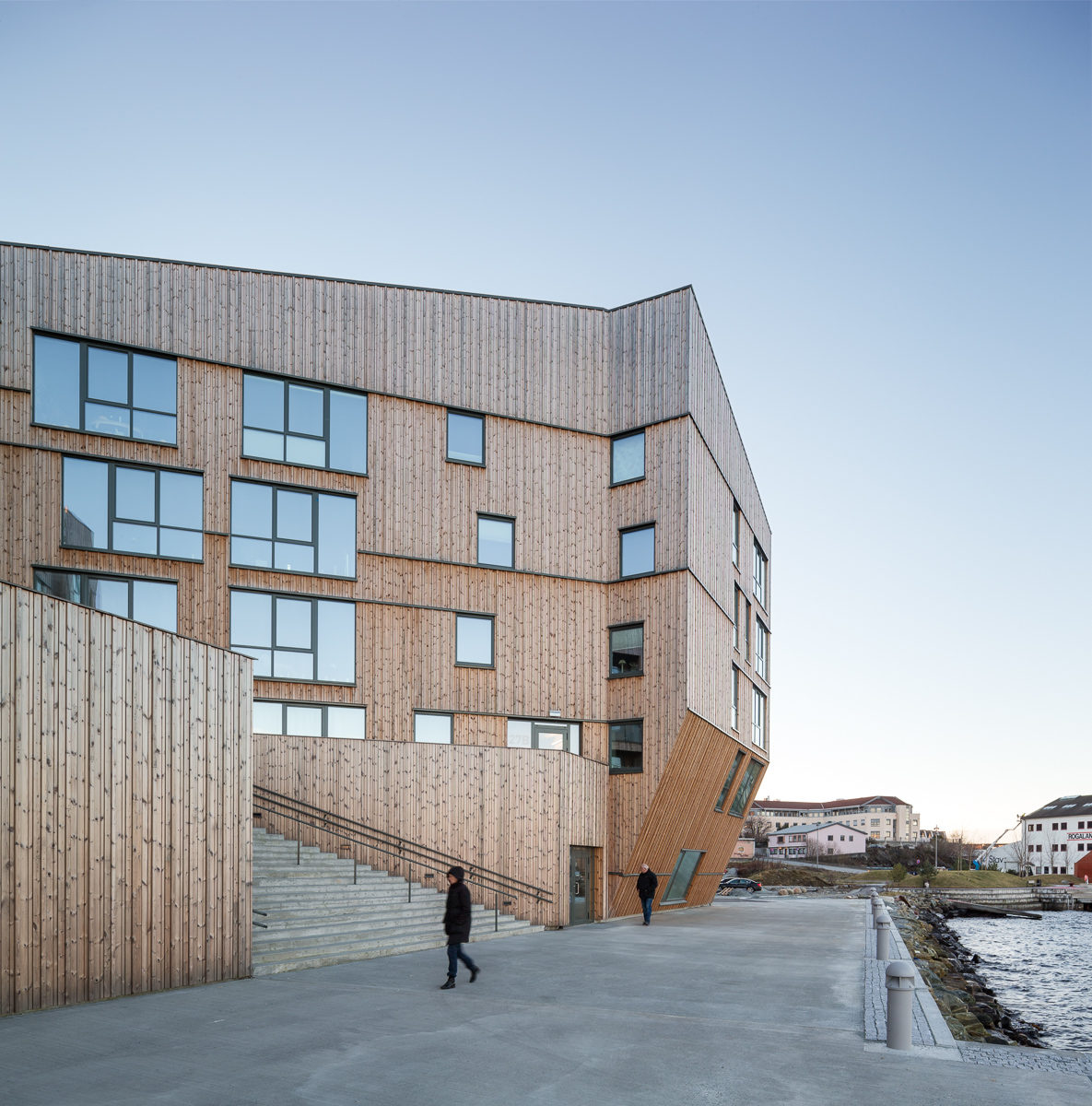
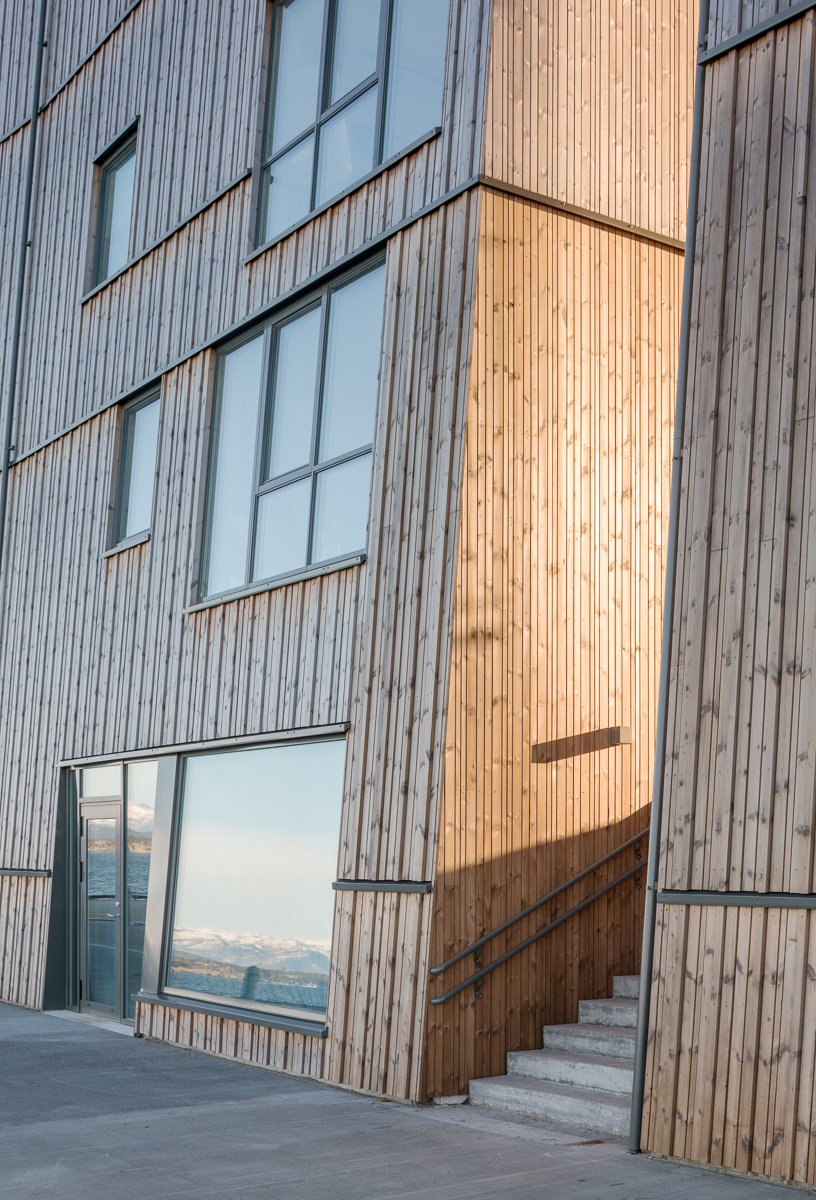
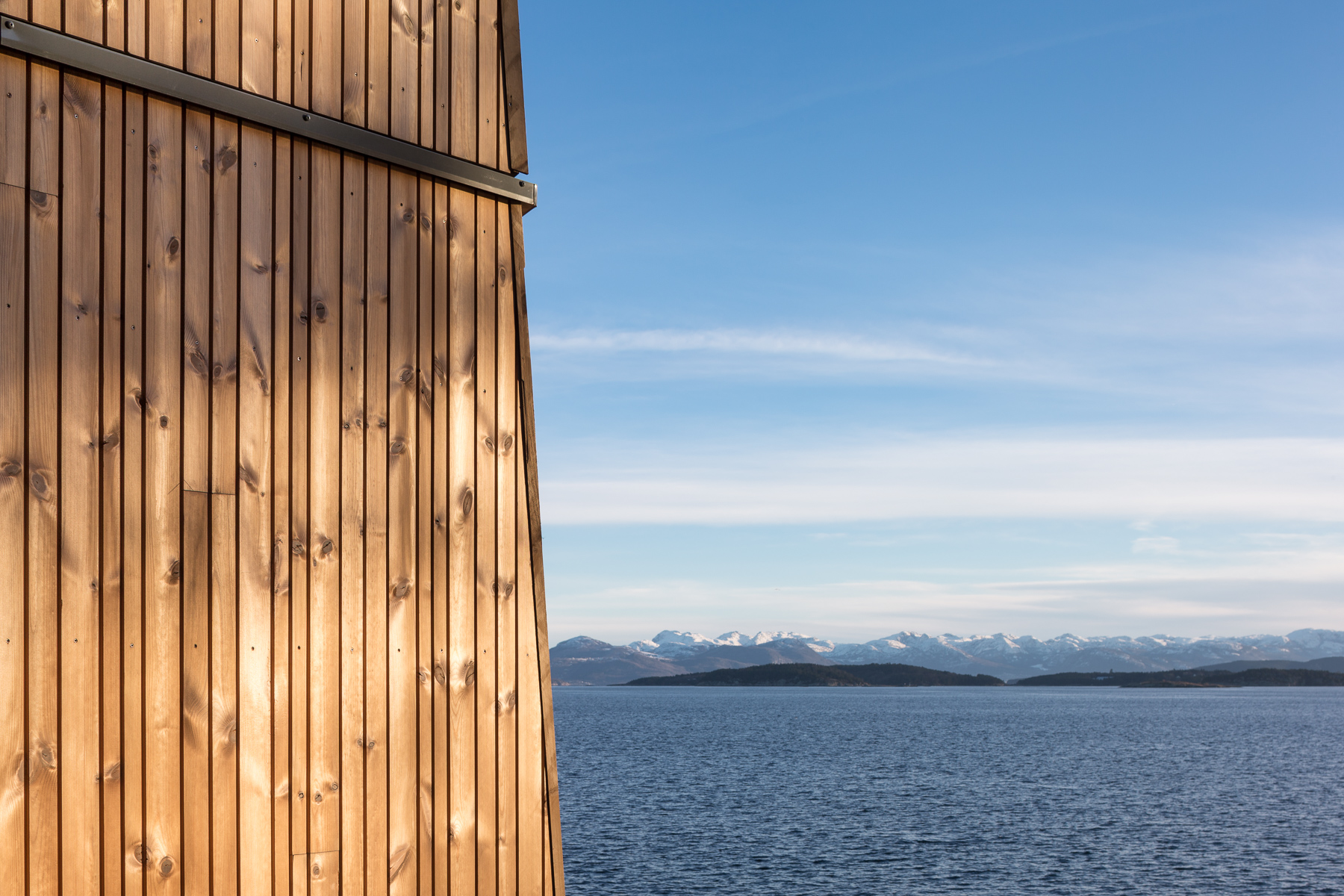
Designed by AART, the project reflects both Norway’s dramatic landscape and Stavanger’s strong timber-building tradition, home to Northern Europe’s largest concentration of wooden houses. Through extensive use of wood and distinctive staggered geometries, the architecture resembles sharp-edged timber formations emerging between city and landscape.
Across 128 apartments of varying sizes and layouts, the development supports an inclusive neighbourhood, accommodating singles, couples, and families across generations. Stepped façades and roofscapes maximize daylight and panoramic views of the bay, while creating shared spaces and terraces that support community life.
AART’s impact-based approach to architecture integrates social, environmental, and commercial value from the earliest design stages. The Waterfront project demonstrates how sustainable materials and urban accessibility can strengthen quality of life, while increasing market appeal. Named the world’s best residential development by World Architecture News in 2014, the project received international recognition and sold all apartments in the first construction phase within 40 minutes.
The Waterfront stands as an example of how architecture can transform former industrial areas into sustainable, attractive, and socially connected urban communities.
The Waterfront demonstrates how architecture can reconnect cities with their landscapes while creating long-lasting impact through timber construction and human-centered design.
.png)
About the Company
AART is one of Scandinavia’s leading independent architecture firms, with offices in Denmark, Norway, Sweden and Germany. With more than 230 employees working across architecture, urban planning landscape design, anthropology, and sustainability, they create impact-based solutions across housing, culture, business, health, education, and urban development. AART’s mission is to translate visions into architecture with impact for people, places and society as a whole.